We are a small scale operation that can afford attention to every little detail when it comes to honey production. We manage our apiaries with the bees and the environment as priorities, but our customers come in at a close second. We treat our customers’ honey with more care than we treat our own. Honey fit for royalty. It’s raw, local, unadulterated and 100% nectary goodness. We also limit our use of plastics, something that is factored into our growth plan. On top of that, we do our part to consider native pollinator’s and devote time to supporting and sustaining native insect populations.
Raw & Unfiltered honey has become ubiquitous. We certainly value and curate honey that has these characteristics, but by themselves they aren’t the qualities that we believe make artisan honey. Listed below are some of the value added approaches we take in producing our honey.
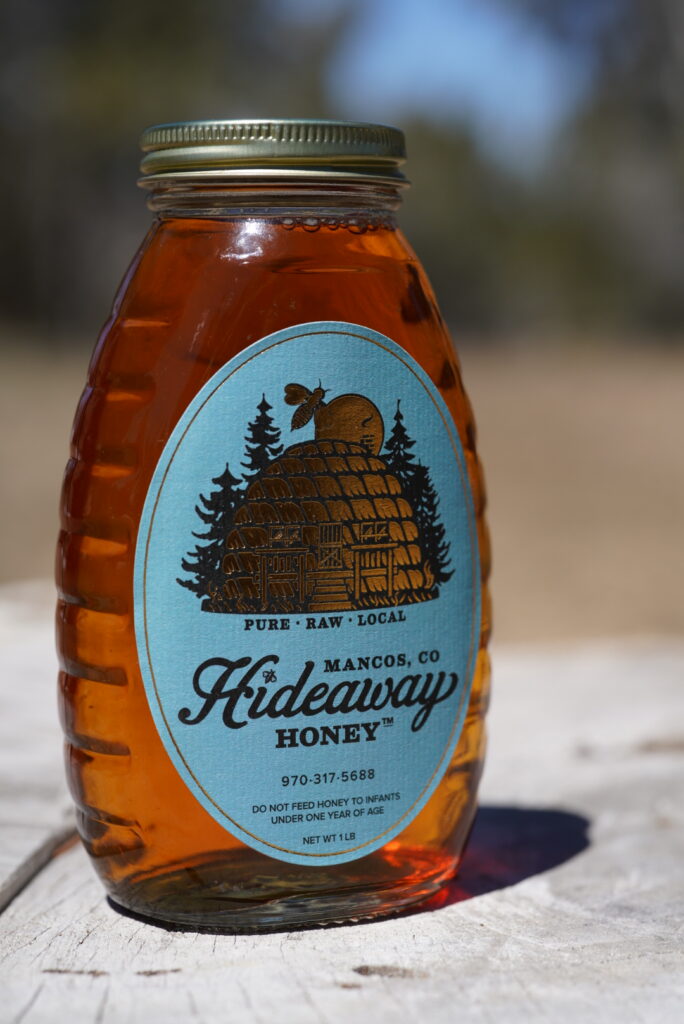
We limit our use of plastics, including some plastic beehive components like foundation. We also bottle our honey in glass jars and are in the process of converting all processing and storage to non-plastic materials. While we do use some plastics, those that are in direct contact with our honey are all food safe certified and are in the process of being phased out of our production processes.
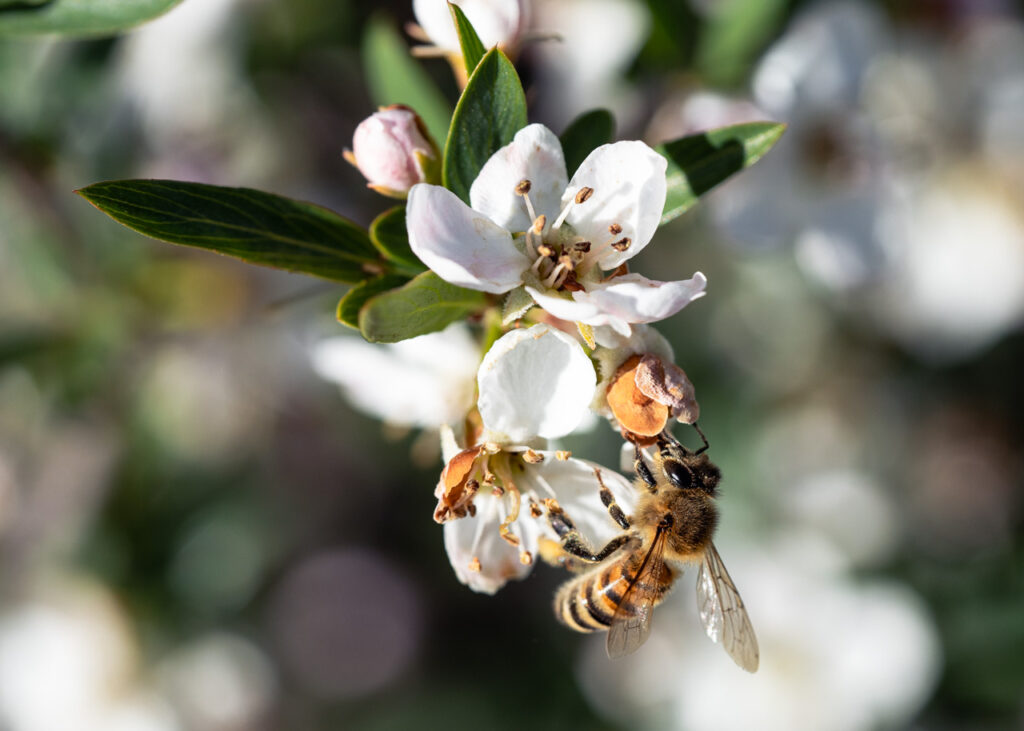
Our honey is unpasteurized (raw) and unfiltered. We only run it through a screen mesh big enough to catch wax and other debris, while letting any pollen that may be within the honey through. We try to isolate spring honey for a premium level product when conditions permit (limited supply). We are currently in the process of testing our honey for source verification.
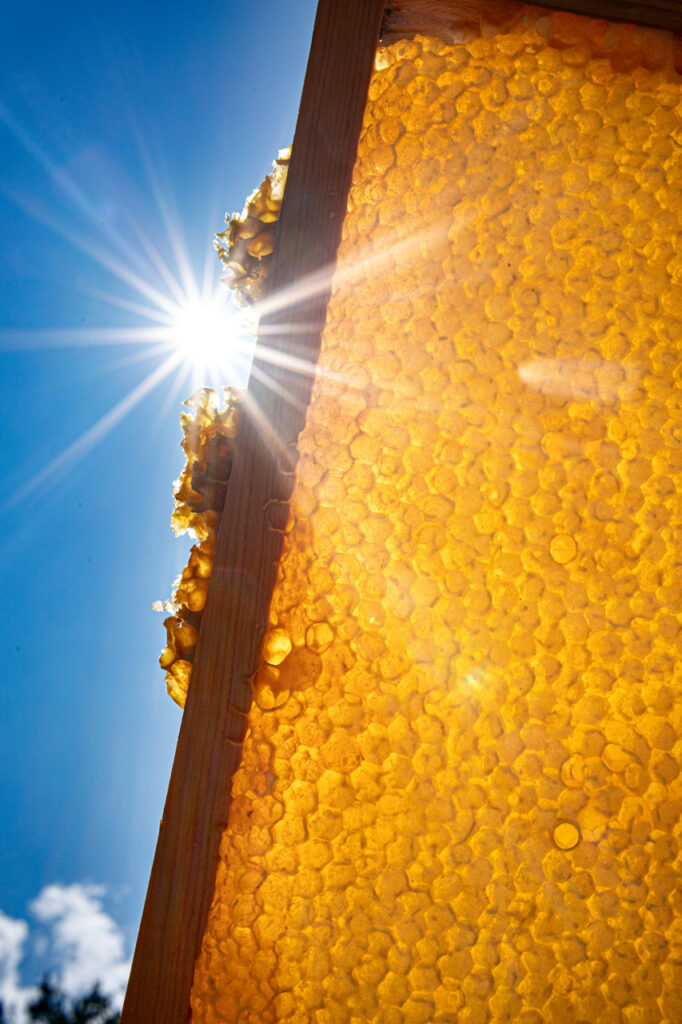
Many are unaware of how common chemical treatment use is in the honeybee industry. We go the extra mile to keep chemicals away from production hives. We are currently discussing testing options with an international laboratory, so our customers can have peace of mind about what they are purchasing and consuming.
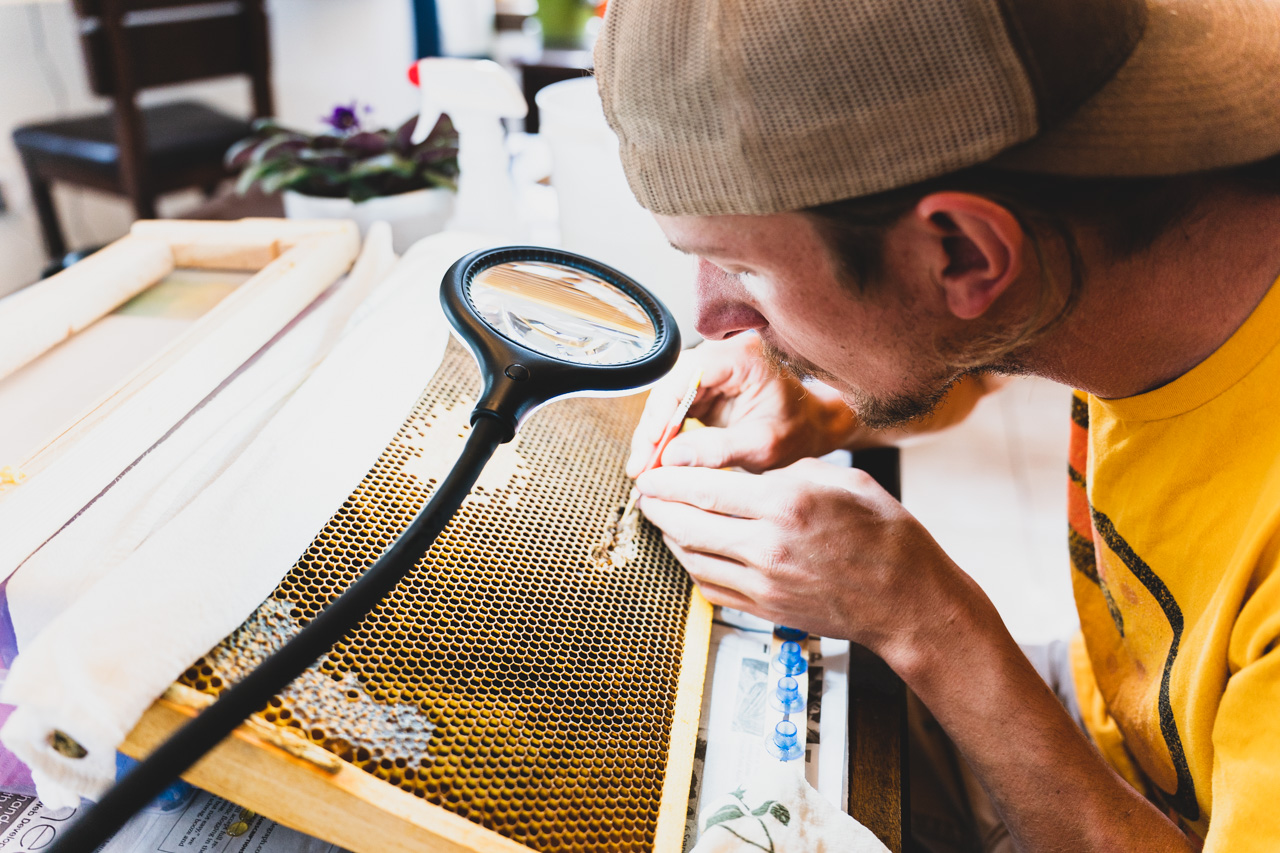
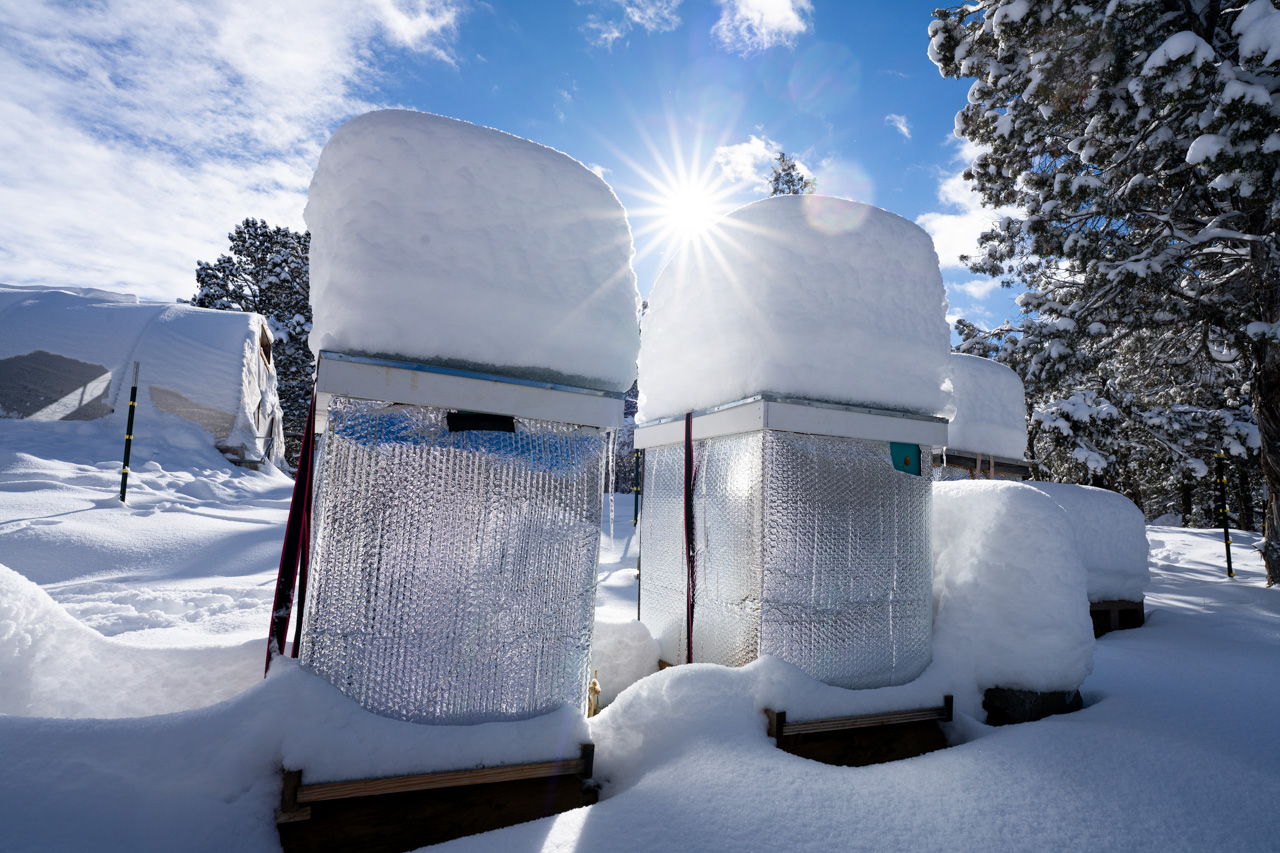
Honey bees are a reliant domesticated livestock species. A lot of careful management has to be performed in the apiaries to make sure bees are healthy. This includes swarm prevention, feeding when necessary, leaving enough honey for the hives to survive winter, maintaining diverse and resistant genetics, and of course pest management. Unmanaged hives tend to dwindle under heavy varroa mite loads. When this happens, the mites work as vectors increasing viral and bacterial diseases within the bee yard. If unaddressed, these hives act as disease pools for other beehives and native bees. The bees will usually die off and then the honey and pollen leftover attracts other bees in, thereby infecting those unknowing hosts.
Emma and Alex both have science degrees in Ecology. Their passion for sustainable food and a healthy environment is lifelong, with day jobs that echo this mindset. Working in the environmental field for a non-profit; Emma provides support for many grant focused environmental internship programs. Alex works in Hazard Mitigation Planning, strengthening community resilience to the impacts of a changing climate.
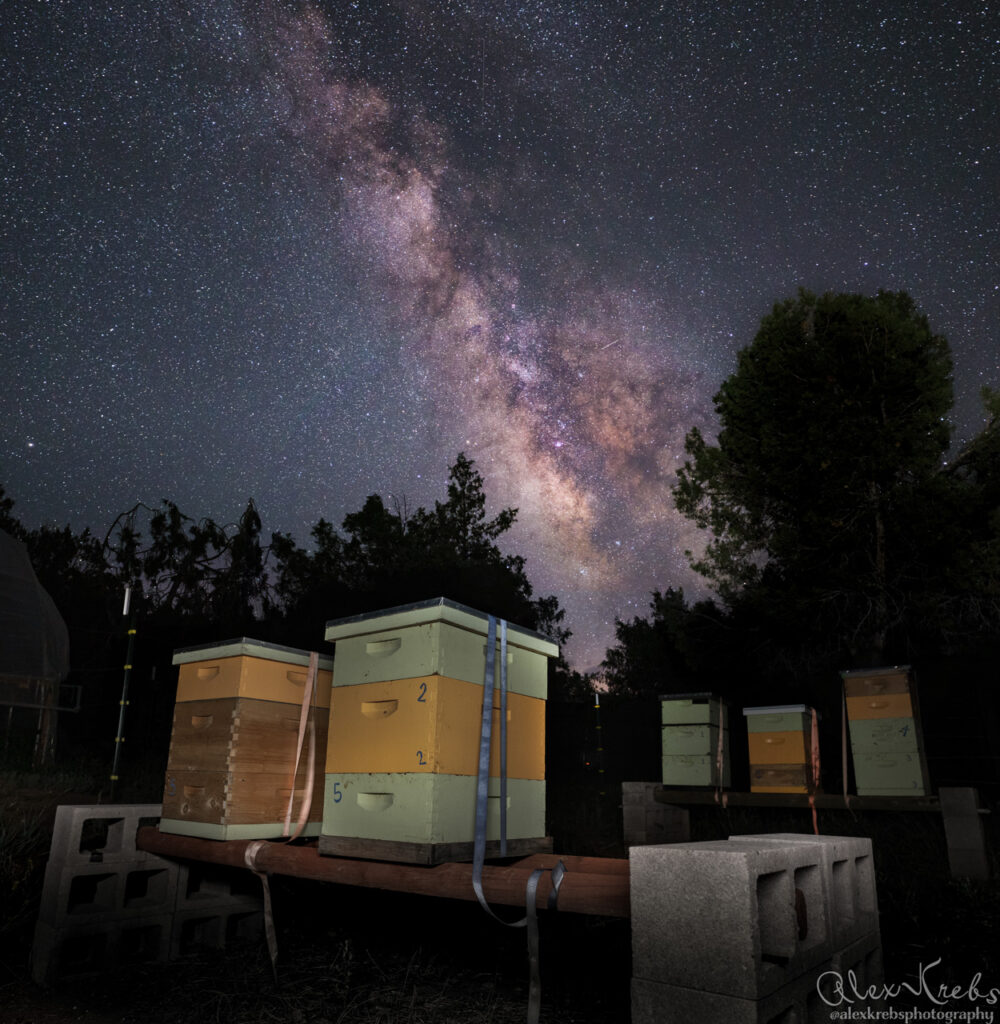
It’s a big world, at least for insects. Honey bees are non-native here in the United States. We believe there are places where honey bees don’t belong. While it might be tempting to collect nectar from the wild high alpine meadows along the edges of wilderness, it is also worth considering the potential impact on native insects.
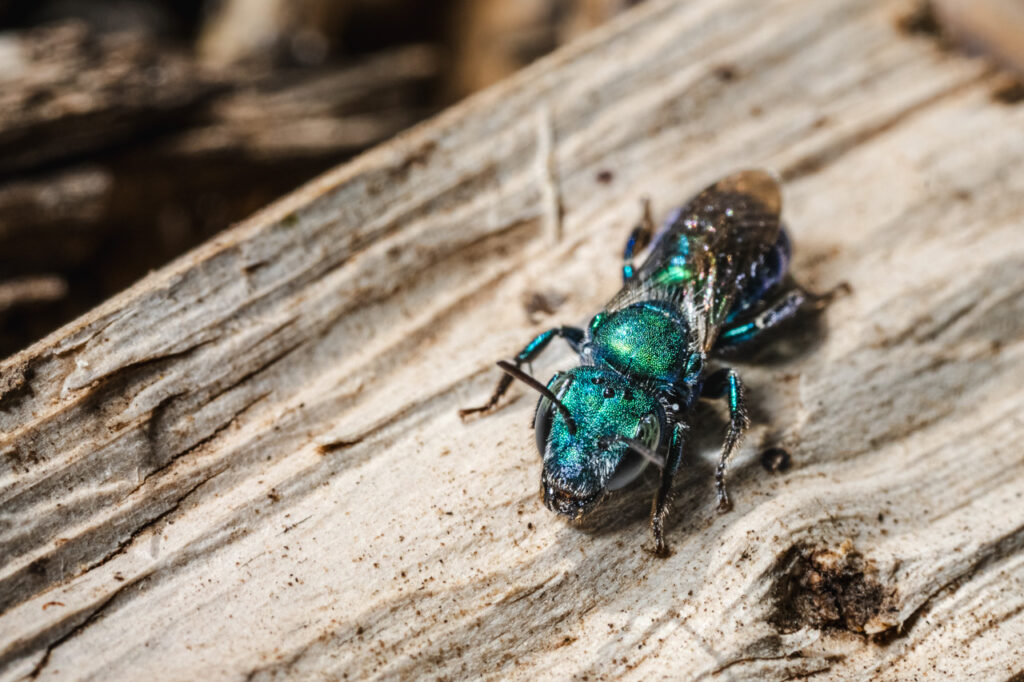
There are a lot of educational resources available for how to protect native pollinators. The Xerces Society has helpful handouts on pollinator-friendly native plants and also the safest pesticides for bees with helpful guidance on reducing impact. If you can’t find native plant sources nearby, the Beauty Beyond Belief seed company has a great library of native seeds for purchase.
Transparency in food should be commonplace, but it is far from it. We are going to make ourselves vulnerable, because we believe in transparency and what we do and how we do it. There are a lot of factors that go into producing sustainable honey. We are very critical with our practices. We utilize integrative pest management to reduce our need for chemical applications that include organic acid treatments. We believe that honey should be free from chemical residues including antibiotics and miticides. The goal for all beekeepers should be to work towards establishing resistant genetic stock for local diseases and conditions as well as to keep an evolving integrative pest management approach for greater future sustainability. While some nations have banned antibiotic use for honeybees, the United States has not. As long as antibiotics are used commercially as a primary management tool for bacterial disease, it is our belief that there will be regional fluctuations in conditions leading to extraordinary circumstances that justify the use of antibiotics on an extremely limited basis. We also believe however, that under no circumstances should these chemicals be found in consumer honey. Even approved methods for application of some of these chemicals can lead to residual contamination of honey due to the ability of beeswax to accumulate most chemical compounds and for compounds to drift into neighboring hives with bees. An exhaustive approach to non-chemical solutions is the moto. We are exploring laboratory options for testing our honey for a panel of popular bee treatments, most of which we have never used. Consumers have a right to know what they are eating and whether it contains residues of antibiotics, synthetic miticides, or other unapproved treatments.
The bottom line when it comes to purchasing honey is to know your beekeeper. Hideaway Honey is not the only source for great Southwestern Honey. There are plenty of area beekeepers helping to build upon beekeeping best management practices. With that said, we believe we are doing good things and hope that you support our efforts. For more information, including current news and operations, click the link below and check out our “Beecon” news blog.